
1990 - 1999 Archives - CSPM

Lorem ipsum dolor sit amet, consectetur adipiscing elit. Ut elit tellus, luctus nec ullamcorper mattis, pulvinar dapibus leo.

Mayors of Colorado Springs

In the early 1900s local American politics were rife with corruption. Political machines ruled local governments, which operated in the interests of the ruling elite class and not civilians. During the Progressive Era people looked to alter their local government’s structure in order to overcome the cronyism that was running rampant. One of the solutions developed for this issue was the city manager system of governance. Rather than elect a mayor, who would be beholden to big donors and in control for the duration of their term, cities began looking to hire city managers. City managers were hired officials entrusted to maintain the day-to-day operations of a city. Their role was intended to take politics out of local governing decisions. They were expected to operate as a business manager, acting in the best interests of the city, as opposed to a politician.

The idea of switching to the city-manager system first arose in Colorado Springs in the 1910s. in 1917 Colorado Springs residents rejected switching to the city manager plan. Then in 1921 the plan was up for a vote again and passed. Residents elected 9 members of a commission who then elected a candidate amongst themselves to serve in the now mostly honorary position of Mayor. The commission was tasked with legislative responsibilities while the city manager would be tasked with executive duties. This system of government would be in use in Colorado Springs for nearly 90 years before it faced a hefty challenge from a local development group.

In 2010 voters considered Initiative 300 which would abolish the city-manager style of governance and instead put into place a strong-mayor form. David and Chris Jenkins, who ran the Nor’wood Development Group, heavily funded the campaign supporting the initiative. Initiative 300 passed and local businessman Steve Bach was elected as the first strong-mayor of Colorado Springs.

It is important to note that the rhetoric and sentiment behind both the campaigns for a city manager in 1921 and those for a strong-mayor in 2010 were very similar. Both groups decried the lack of government accountability and insisted on a change which would better serve the interests of the city. The development of the city manager position in Colorado Springs and the recent advent of the strong-mayor system demonstrate that throughout time Colorado Springs residents have wanted government accountability and are weary of corruption and nepotism amongst their local elected leaders.

Generously Submitted by Patrick Lee, CSPM Museum Technician

Trails, Open Space and Parks

In 1997, Colorado Springs voters approved the Trails and Open Space (TOPS) tax to fund the acquisition, preservation, and development of trails, opens spaces, and parks. This 0.1% sales tax—one penny on ten dollars in purchases—provided community leaders, parks professional, recreation advocates, and landowners with the financial means to save beloved outdoor spaces. In 2003, voters extended the tax measure through 2025.

The passage of TOPS was notable as it firmly aligned with William Jackson Palmer’s vision for prioritizing parks and outdoor recreation in Colorado Springs. It was the first tax increase approved by voters in over two decades and demonstrated that specific, designated tax measures could be successful in this conservative city. It required that a citizen advisory group, the Trails and Open Space Working Committee, be appointed to make recommendations on land purchases. The measure defined a specific calculation for how financial resources could be used: 3% administration, 6% maintenance of TOPS properties, and then remaining funds designated as 20% for parks, 20% for trails, and 60% for open spaces. It’s clear that TOPS funding focused on the preservation of natural areas.

Early accomplishments included the acquisition of Stratton Open Space, a 306-acre parcel in the foothills adjacent to North Cheyenne Canon Park. In this and many cases, TOPS funds were used to leverage additional financial support from private donors and organizations such as Great Outdoors Colorado and the Trust for Public Lands. Tax funding was also soon used to improve and expand trail connectivity along corridors such as the Pikes Peak Greenway and Rock Island Trail.

Generously Submitted by Matt Mayberry, Cultural Service Manager, and CSPM Director

Downtown Partnership

In the 1990s Downtown Colorado Springs was perceived as a bit of a sleepy place. The once-bustling historic core was losing ever more ground to shopping malls and new housing developments as the city sprawled north and east. While office workers were plentiful on weekdays, come evenings the streets were quiet, with just a few restaurants welcoming customers. Tourists frequented Old Colorado City and Manitou Springs but had little interest in Downtown. And residents? Only a few hundred people actually lived in the heart of the city.

A reckoning was due. Downtown property owners and shop owners coalesced under the Downtown Action Plan, a two-year inclusive process to update an obsolete plan from the early 1970s. Adopted by City Council in 1992, the new Downtown Action Plan set forth goals to enliven Downtown as a place where people gather, community activities are abundant and future generations feel at home. Over and over again, the need for one voice and an aligned management group was cited. Thus the 1990s saw the birth of the Downtown Business Improvement District, in 1994, and, in 1997, came Downtown Partnership as a management group with Community Ventures as its charitable nonprofit arm; (the Downtown Development Authority emerged several years later).

Work began with the simplest of beautification gestures along two blocks of Pikes Peak Avenue: attractive streetlamps, flowerbeds at intersections, brick pavers, and general tidying-up. Further improvements to parking, transit and pedestrian amenities followed, signaling that the heart of the city was still something to be proud of, a neighborhood like nowhere else.
This was a common story for midsize cities at the end of the 20th century, but what happened next took Downtown Colorado Springs to new heights. Two businesswomen, Judy Noyes and Mary Jean Larsen, launched an annual sculpture exhibit called Art on the Streets, which continues to this day. These enhancements signaled not only a bright future for Downtown, but also hearkened to the city’s history as a thriving hub for the arts, sciences and great outdoors.

With public-realm improvements and a cultural renaissance well under way, private investment followed. The historic Cheyenne Building, slated repeatedly for demolition, was refurbished and opened in 1993 as the city’s first brewpub, and many other new restaurants and businesses followed. By the end of the decade the Business Improvement District had radically expanded, both in size and scope, and public consensus had rallied in support of this new plan for Downtown, ensuring that future development and public improvements were aligned in the vision for a vibrant, welcoming city center.

Generously Submitted by Downtown Partnership

Black Newspapers

In 1886 Frank Loper, who had been born into slavery on the plantation of the Confederate States’ President Jefferson Davis, came to Colorado Springs. Loper became the Head Waiter at The Antler’s hotel and in 1897, along with two other waiters, W.E. King and James Booker, founded the Antlers Publishing Co. The three men published Colorado Springs’ second African American newspaper (the first being The Western Chronicle) titled The Colorado Springs Sun. These newspapers played a critical role in informing and uniting the African American community in the city, beginning a tradition that has continued to this day.

As African Americans began moving west in the late-nineteenth and early-twentieth centuries, they, like all Americans, began to form new communities and social institutions. Churches, such as the People’s Methodist Episcopal Church which Frank Loper helped found in the early 1900s, played an important role in this process.

So too did newspapers. The stated goal of the Sun was to fulfill “the need of an independent, reliable organ, wherein the Afro­Americans of this city…could find expression of their best thought and material progress.” In many ways these newspapers were not dissimilar from their white counterparts. They advertised local businesses and charitable events, and published stories about both local and national news. The difference, however, was that they also included stories about subjects relevant to the African American experience that would not otherwise be discussed in print.

The existence of newspapers focused on the African American experience has persisted consistently throughout Colorado Springs’ history. In the 1930’s The Voice of Colorado discussed topics such as lynching and racial segregation at Prospect Lake. In the 1980’s the Colorado Springs Crusader was published with the intention of producing “a quality community newspaper…to report on all minority activities.” In 1991, while serving in Iraq, James Tucker founded the African American Voice Newspaper, which is still in publication and focuses on issues related to Denver, Colorado Springs, and Pueblo. African American newspapers have played a critical, and continual, role in uniting and recognizing the African American communities of Colorado Springs and the Front Range. These newspapers were built on the ideology of community and communication. From former slaves to war veterans, members of the African American community of Colorado Springs have made sure there that their voices, interests, and concerns have been recognized.

Generously Submitted by Patrick Lee, CSPM Museum Technician

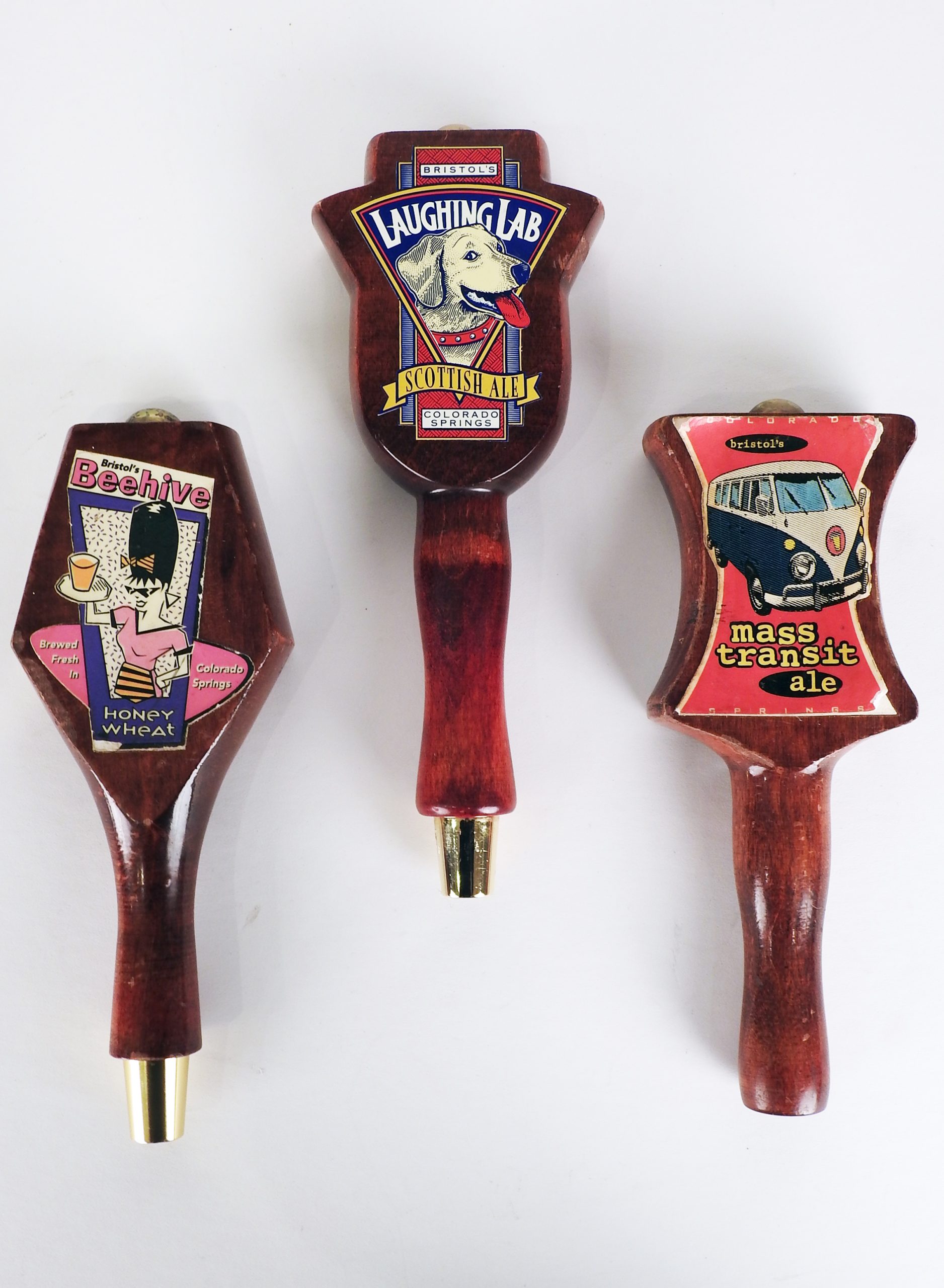
Bristol Brewing

Bristol Brewing Company started, as many good things do, over a beer.

In 1992, Mike Bristol and Amanda Townsend were both living in North Florida. They were dating, but perhaps more important to this story, they were also homebrewing. The beer they were making was surprisingly good, so one night they sat at the bar of a cafe and dreamed about how they might turn this brewing hobby into a life together. That night they shared a few beers and sorted out their future on the backs of three coasters, and the idea of Bristol Brewing was born.

But where to start this new phase of life? Mike grew up in Fort Collins; Amanda was a Florida native. Small breweries had been springing up like wildflowers in Colorado, so they knew the beer-drinking public there would be open to craft beer. But Fort Collins already had several breweries, and Denver felt like too big a city for them to raise a family and contribute to the community. Colorado Springs, however, was not too big, not too small, had a charming downtown and a beautiful backyard. It was the perfect place to put down roots.

They got married, and six months later in 1994 opened their brewery just off Garden of the Gods Road. Mike brewed the beer and sold it to local establishments, while Amanda created the marketing and filled growlers at the brewery. If you stopped in, you would be greeted by their small lab, Camden, and Amanda would pour you free samples.

At that point, there were about 35 breweries in the state of Colorado. Now there are over 400.

In 1998 Bristol Brewing moved to Tejon Street where there was room for a bottling line, which allowed their beers to be sold in six packs for the first time. They also put in a few tables and chairs and served pints with dog bowls full of free pretzels–and in so doing, created the first brewery tasting room in Colorado. Bristol spent the next 12 years welcoming customers and exploring innovative beer styles. And they made giving back a priority, through beer donations, Karma Hour, and donating the profits from their Community Ales to local nonprofits.

When Bristol started to outgrow that space, they partnered with Joseph Coleman and together convinced the District 11 School Board that it was socially acceptable to put a brewery in a school. The partners purchased the historic Ivywild School building, restored it as a community gathering place, and in 2013 Ivywild School became the current home of the brewery and the Bristol Pub.

Generously Submitted by Amanda Bristol, Bristol Brewing Company

Colorado Springs Independent

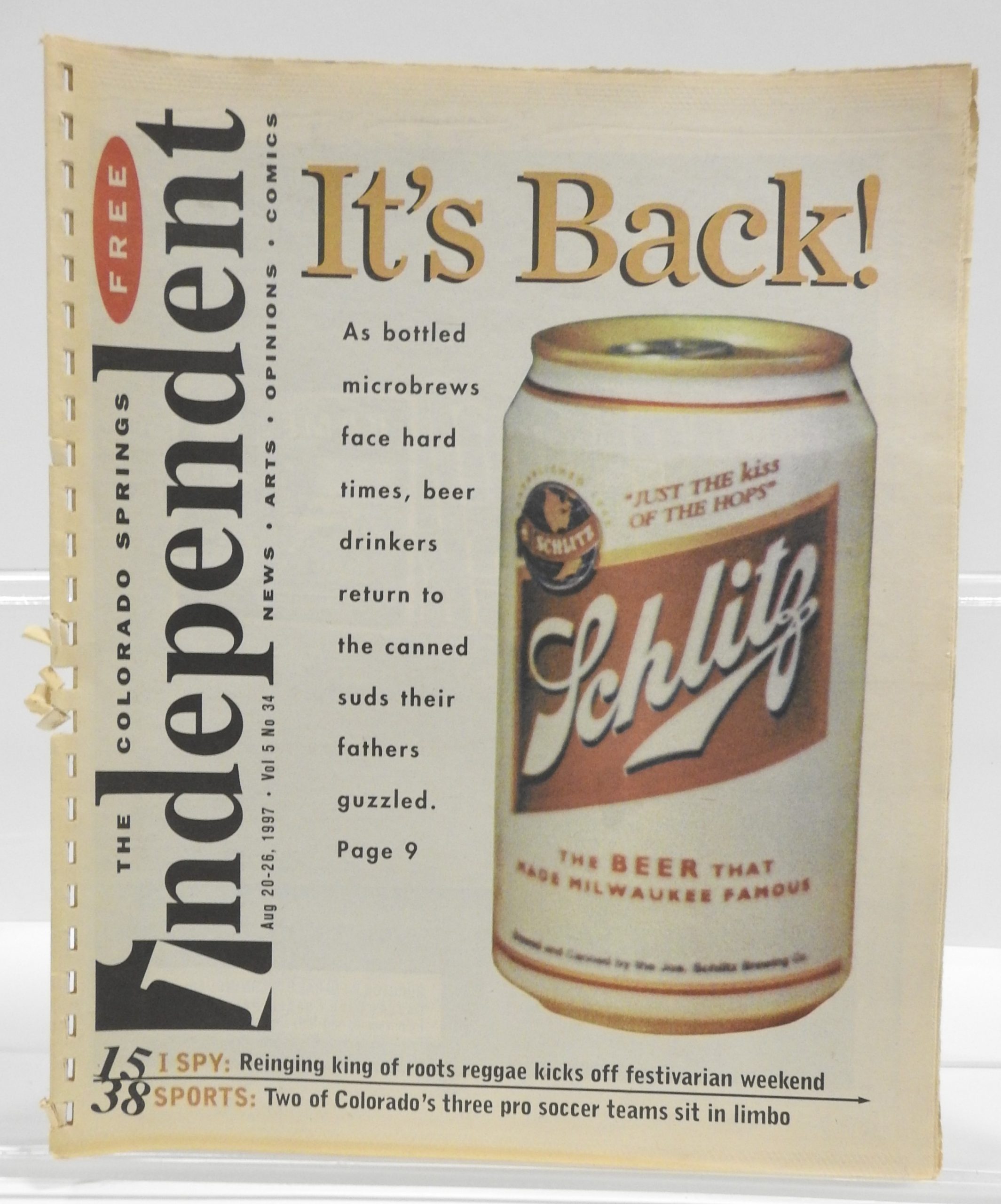
The Colorado Springs Independent, commonly referred to as the CS Indy is a weekly newspaper that serves the Pikes Peak region covering predominately the city of Colorado Springs. The Colorado Springs Independent is the largest locally owned newspaper in the Pikes Peak region with 126,000 readers and features several popular annual features such as The Best of Colorado Springs and the Indy Music Awards.

The Colorado Springs Independent was founded in 1993 by publishers John Weiss and Kathryn Carpenter Eastburn who established the local publication to provide Colorado Springs readers with “informative, entertaining and thought-provoking articles”. A Colorado College graduate, John Weiss also serves as Chair of the Colorado Springs Business Journal and the Pikes Peak Bulletin. Weiss also established the Indy Give! campaign, which has helped 125 local non-profits raise more than $5 million.

One of the popular annual features in the Colorado Springs Independent is the Best of Colorado Springs highlighting top reader reviewed businesses in the Pikes Peak region. The newspaper publishes the results of the readers’ poll on a variety of businesses, people and activities in the Pikes Peak region. The results cover food and drink in one issue with a follow up of services and attractions the following issue.

The newspaper also features the popular Indy Music Awards. The Colorado Springs Independent started the Indy Music Awards in 2011as a way to promote local musicians and establish Colorado Springs as a destination for live music. Annually, Colorado Springs Independent readers vote for their favorite local artists in more than a dozen musical categories. Winners of the Indy Music Awards are profiled in the independents Local Music Issue and later perform at the annual Indy Music Awards showcase at Stargazers theater in Colorado Springs.

More than 40% of Pikes Peak area adults are regular readers of the Colorado Springs Independent. The popular publication has a reputation for giving voice to local and national issues that are largely ignored by other local media outlets. The Independents editorial page offers a unique perspective on local issues that for many readers acts as an alternative to the conservative minded Colorado Springs Gazette owned by Clarity Media Group a subsidiary of the Anschutz Corporation. The Independent’s editorial excellence has been recognized by more than two dozen national and regional associations.

Generously Submitted by Alex Archuleta, Historian

Garden of the Gods Visitor’s Center

In the early 1990s, City Parks Director Nancy Lewis began working on solutions for Garden of the Gods Park that had fallen into disrepair with outdated facilities, eroding trails, confusing roads and overuse by the ever-increasing number of visitors. The annual Parks budget could not cover all the needs of Garden of the Gods, a two-square mile City Park with more visitors than most National Parks.

Nancy Lewis initiated the 1993 – 1994 Master Plan to tackle all of the Garden’s problems at the same time, a very ambitious undertaking. The 100-plus citizens who regularly attended the 51 public Master Plan meetings thoroughly discussed every issue to come to consensus. Plans for new trails, traffic patterns, reclamation of eroded areas and better maintenance emerged, plus the hope for a new Visitor Center. But how would the City pay for the improvements?

Enter Lyda Hill, a philanthropist and entrepreneur, who fortunately owned the land on the east border of Garden of the Gods. In a 2019 interview, Lyda Hill described meeting Nancy Lewis for the first time, “Nancy and I met when I was hiking in the Garden. I said, ‘We really ought to do something about the Garden. It is not as well maintained as it could be.’ Nancy replied, ‘I am doing the best I can with the money I have.’ Then I said, ‘Oh, okay, let me see if we can come up with something on that.’ ”

“Come up with something on that” is exactly what Lyda and Nancy did. The two visionary women collaborated to create a public/private partnership to build a stunning new Visitor Center on Lyda’s private property and to organize the Garden of the Gods Foundation. Annually, the nonprofit Foundation disburses funds generated by the Center to maintain the Park.

In the 25 years since the Visitor Center opened in 1995, it has hosted 16.7 million visitors, and the Foundation has contributed $4,688,869.01 to the Garden of the Gods Park. During the same time, the Park’s visitation has grown from approximately 1.5 million visitors in 1995 to 5.8 million visitors in 2019. Lyda’s and Nancy’s spectacular achievement of a dedicated, annual funding source has made it possible for the Garden of the Gods to sustain the standards of excellence worthy of the locally, nationally and internationally beloved City Park.

Generously Submitted by Melissa Walker, Naturalist & Interpreter

Vatican of the West

Focus on the Family is a Christian ministry that offers advice and counseling for marriages, relationships, child-rearing, and more, all based on biblical principles. The organization publishes books and other literature, provides telephone and email counseling, produces digital media, and most importantly, conducts a daily radio telecast. Its work is intended to “protect…against destructive social influences,” and, “promote biblical truths worldwide.” The organization formed in 1977 by James Dobson in Southern California, but had grown out of its facilities by 1991. Subsidized by local organizations, it built and moved to a new 47-acre campus in the Briargate neighborhood in September, 1993. Boasting its own zip code and exit sign from the interstate, Focus on the Family became one of the most popular tourism sites in the region. From his new campus, James Dobson built a powerful media empire of the Christian right. His daily radio program had an audience of over 5 million listeners, his books sold over 16 million copies, with filmed lectures reaching a wider audience than any other evangelical outlet. Magazines and newsletters achieved a circulation of 3 million. Dobson promoted the traditional family, opposed feminism for breaking traditional gender roles, and spoke out strongly against both abortion and homosexuality. His own force of personality and general appeal made him the most influential leader the movement ever had. Such was the clout of James Dobson by the late 1990s that virtually every Republican presidential hopeful traveled to Colorado Springs to seek his blessing. Dobson continued to be the major player in the cultural wars through the early 2000s, including regular meetings and counsel with George W. Bush after his 2000 election. James Dobson may have reached the height of his national influence in about 2005, as did the influence of the Christian Right in Colorado Springs, which had one of the greatest concentrations of fundamentalist Christian activist groups in American history. By 2007, moderate Republicans in Colorado Springs were increasingly uncomfortable with the close entanglement between religious organizations and the party. After a scandal at the New Life Church and rising opposition to the overt political role played by religious groups, James Dobson stepped down as Focus on the Family Director in February, 2009.

Generously Submitted by Dr. John Harner, Professor of Geography & Environmental Studies, University of Colorado, Colorado Springs

Amendment 2

For two decades beginning in the 1990s Colorado Springs gained national attention from political actions taken by local members of the Christian evangelical community. The national culture wars often focused on topics of sexuality, particularly feminism, gay rights, and abortion. Colorado for Family Values, led by local car dealer Will Perkins, petitioned to place Amendment 2 in the state constitution to prohibit minority status, quota preferences, protected status or claim of discrimination for homosexuals. Their claim was that that gays shouldn’t get “special rights.” Put on the statewide ballot in 1992, the amendment was approved by 53% of Colorado voters on November 3. Taken aback, opponents of the amendment were shocked and reaction was swift. Opponents organized boycotts of the city, Perkins’ car dealership, and the entire state. Groups such as the U.S. conference of mayors cancelled conventions, cities issued travel bans to Colorado for their public employees, movie stars lent their names in protest, and businesses and nonprofits changed plans to relocate to the state.

Colorado gained the moniker “the Hate State,” while Colorado Springs was called the city of hate and bigotry. Boycotts made this amendment the most expensive civil rights violation in U.S. history. The Colorado Springs gay community responded by coming out of the closet in unprecedented numbers. The gay activist group Ground Zero formed to focus opposition and challenge stereotypes and misperceptions about gays and lesbians. Opposition in Colorado Springs led to the Citizen’s Project, an organization formed in 1993 to monitor conservative religious groups in the city, and the local weekly alternative newspaper, the Colorado Springs Independent, launched in 1993. In October, 1994, the Colorado Supreme Court struck down Amendment 2 in a 6-1 decision. The decision was challenged by Colorado Attorney General Gale Norton and taken to the U.S. Supreme Court, where in May, 1996, it was struck down as a violation of the 14th Amendment: “A state cannot so deem a class of persons a stranger to its laws,” said Justice Anthony Kennedy for the 6-3 majority opinion. He said that singling out the state’s homosexuals “in a solitary class” was inexplicable on any basis other than “animus,” and that prejudice is not a valid justification for a policy that creates special burdens for one group not placed on others.

Generously Submitted by Dr. John Harner, Professor of Geography & Environmental Studies, University of Colorado, Colorado Springs

Mountain Scars

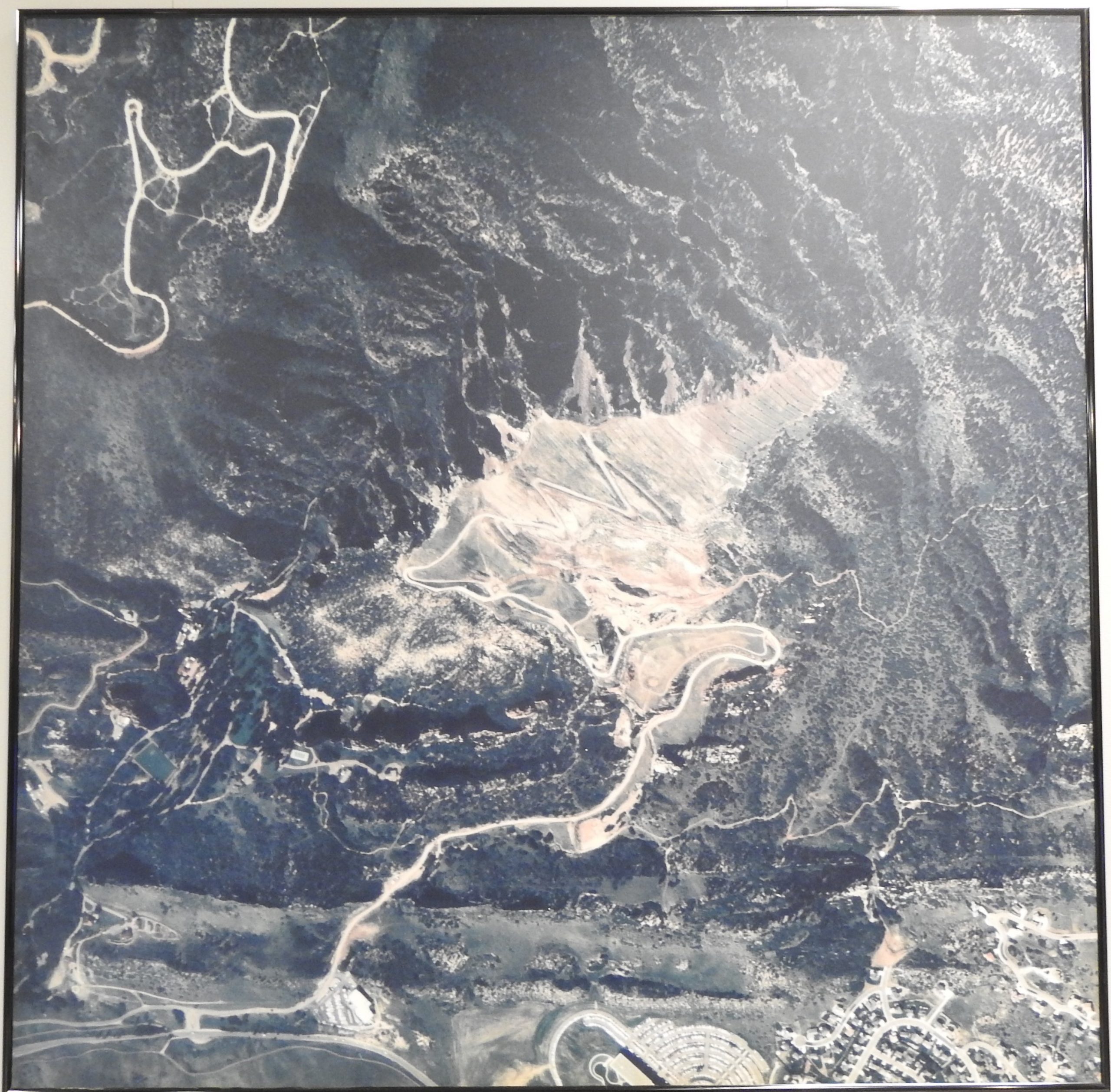
Initially, El Paso County quarries were outside the Colorado Springs city limits not readily visible by the general population. This changed with rapid suburban growth which increased rock product demand, and resulted in more housing and business communities in the visual proximity of the quarries. Environmental and preservationist groups challenged quarry mining and the resulting visual impact. The community debate, centered primarily on the Queens Canyon Quarry, demanded to know why Colorado Springs would allow mining to destroy the natural beauty of the foothills backdrop. Despite strong opposition, in 1955 Castle Concrete secured State permits preserving its ability to continue mining operations.

Initially, economic needs took precedence over environmental and aesthetic concerns. That stance gradually reversed as citizens, business leaders, Colorado’s Governor, U.S. Interior Secretary, and others made it clear that something had to be done about the infamous “scars.” In 1988, Governor Romer formed a State Commission of Mountain Scarring which emphasized local zoning work with the State to resolve the issue. Romer committed $75,000 toward the “Enhanced Reclamation” of the Colorado Springs Quarries, defined as reclamation beyond the “base reclamation” required by the Colorado law. The Governor’s funds, restricted to the purchase of trees, wildflower seed and related materials, required matching funds from the community.

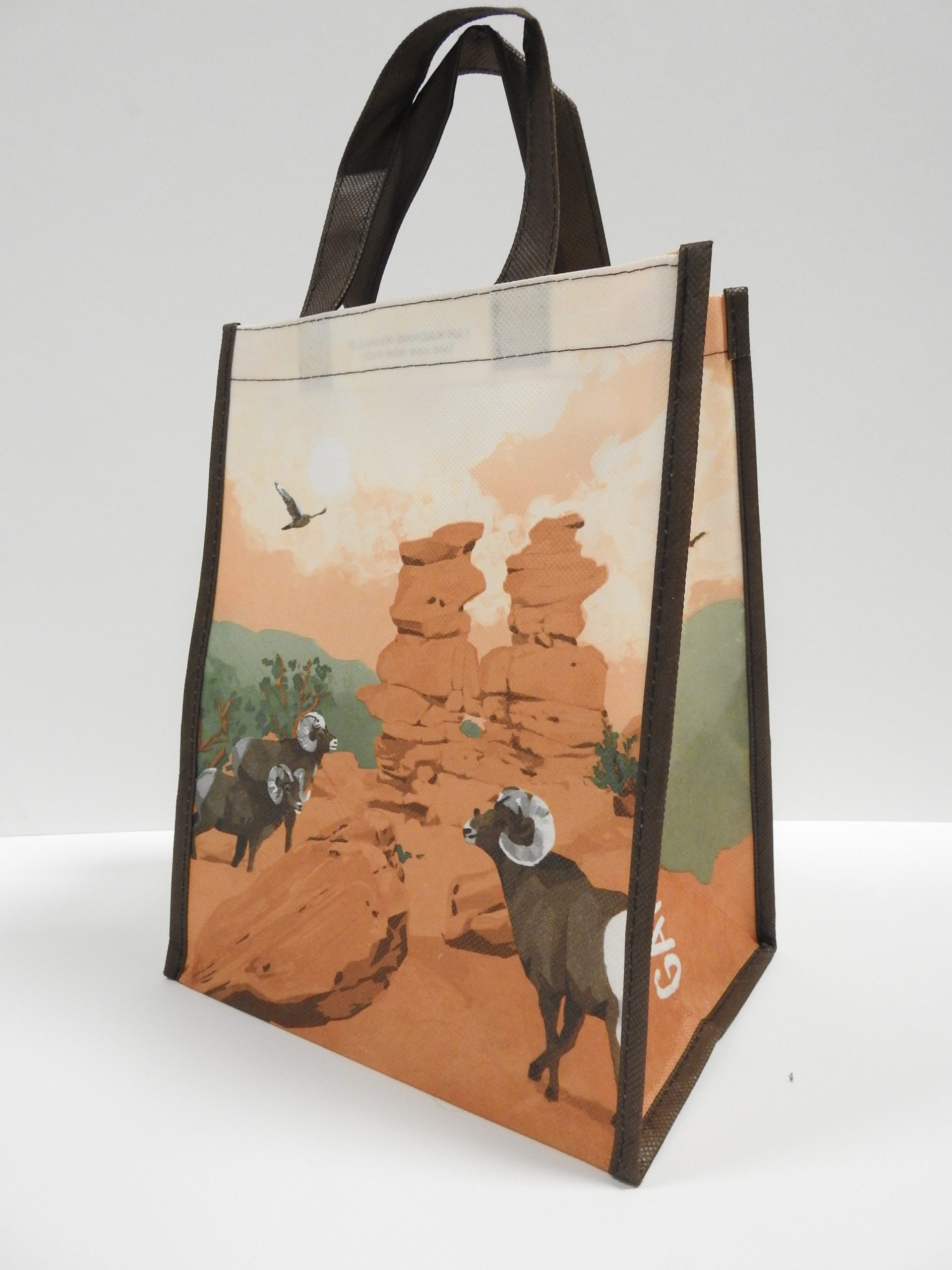
Initially, there were differing views among all parties involved. Eventually company representatives and community leaders formed the joint city/county “Charter for Additional Reclamation at Castle Concrete Company Quarries” and the El Paso County/Colorado Springs Mining Reclamation Advisory Committee (MRAC). For two years they met and implemented educational programs, and in 1993 completed an enhanced reclamation plan for the quarries. The plan detailed identified specific objectives including: planting additional trees, re-contouring to provide dimension and improve visual appearance, and retaining the Bighorn Sheep habitat on the Queens Canyon Quarry.

The Colorado Mountain Reclamation Foundation (CMRF) was later formed to administer the enhanced reclamation projects. CMRF raised funds and recruited volunteers to assist in the enhanced reclamation work. In 1994, Wanda Reaves was hired as a part-time Project Manager and Executive Director. During the next 16 years, CMRF developed a remarkably successful public/private partnership with solid support of Castle Concrete.

In 2004, Castle Concrete completed reclamation of the Queens Canyon Quarry and donated the site to the US Forest Service. The former Queens Canyon scar is now healed, and because of the 70+-bighorn sheep that reside there, it is now known as the Greg Francis Bighorn Sheep Habitat. Rather than viewing Castle Concrete as an opponent, the community now recognizes the company as a partner advocate along with CMRF in improving the visual quality of our mountain backdrop. Enjoy the view…..

Excerpted from a Generous Submission by David Isbell and Gary Bradley