At the CSPM, we believe that preserving and sharing Black History is essential to telling our community’s story. It is important to learn and be inspired by Black History every month of the year. But in February, Black History Month provides us all a special opportunity to focus on the amazing African American History in our community and across our nation.
Did you or anyone you know grow up dreaming of becoming a pilot? Bessie Coleman did! Coleman was fascinated with “barnstorming,” or demonstration flying at air shows. This high-risk flying required skill and daring. For Coleman, barnstorming was a siren call. Stunt flying provided a compelling way to earn money, achieve celebrity, and break into the male-dominated world of aviation.
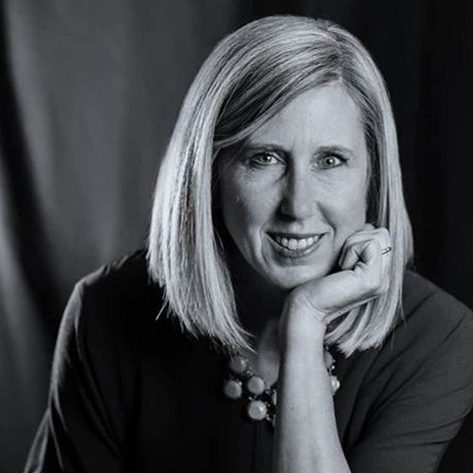
Bessie Coleman’s great-niece Gigi Coleman performed "The Life of Bessie Coleman: First African-American Female Aviator" at Black Wings Family Day on Saturday, February 10th at the Hillside Community Center. The program was sponsored by the CSPM in partnership with the Space Foundation Discovery Center.
Bessie went to flight school in France and became the first woman of African American and Native American descent to become a licensed pilot. She learned the rigors and dangers of flying figure-eights, tailspins, loops, and barrel rolls. Most women on the barnstorming circuit were wing walkers, not pilots. Coleman stood out especially as a Black woman at the controls of an airplane.
Across the country, Coleman received enormous praise for her bravery and competence as an aviator. She drew considerable crowds and publicity as she performed – often combining lectures at local schools with her air shows. She also fought racism by refusing to perform before segregated audiences or lecture in segregated schools. She became equally famous for her Civil Rights advocacy.
"Black Wings: American Dreams of Flight"
This exhibit located in the CSPM Annex chronicles the story of African Americans who, despite facing tremendous racial barriers, attained amazing achievements in aviation history.
In 1926 while conducting a routine practice run with her copilot at the controls, Coleman’s plane suddenly flipped over and Bessie fell out of the plane. After her shocking death, Bessie Coleman’s reputation as a pioneering aviator grew even larger — and today she continues to inspire new generations. To learn more about her and the history of Black aviators, make sure to visit the Black Wings: American Dreams of Flight exhibit, on loan from the Smithsonian, at the CSPM Annex in the south tower of the Plaza of the Rockies building, 121 S. Tejon Street, Suite 100.